Top 200 Most Dangerous Viruses Affecting Humans , 🧬 Top 200 Most Dangerous Viruses to Humans 🩸 Category A: High Mortality & Pandemic Potential 1. Marburg Virus – Causes severe hemorrhagic fever with fatality rates up to 90%. 2. Ebola Virus – Known for outbreaks with high mortality rates, causing severe hemorrhagic fever. 3. Rabies Virus – Almost universally fatal once symptoms appear; affects the central nervous system. 4. HIV (Human Immunodeficiency Virus) – Leads to AIDS; has caused millions of deaths worldwide. 5. Smallpox (Variola Virus) – Eradicated globally in 1979 due to vaccines but once a major killer with 30% fatality rate. 6. Hantavirus – Causes hantavirus pulmonary syndrome; transmitted via rodent excreta. 7. Influenza A (H5N1) – High mortality rate in humans; limited human-to-human transmission. 8. Nipah Virus – High fatality rate; causes encephalitis and respiratory illness. 9. Dengue Virus – Mosquito-borne; can lead to severe dengue hemorrhagic fever. 10. Rotavirus – Leading cause of severe diarrhea in children worldwide. 11. SARS-CoV-2 (COVID-19) – Responsible for the COVID-19 pandemic; highly transmissible with significant global impact. 12. MERS-CoV – Middle East Respiratory Syndrome; high mortality rate. 13. Lassa Virus – Endemic in West Africa; causes hemorrhagic fever with significant mortality. 14. Crimean-Congo Hemorrhagic Fever Virus – Tick-borne virus causing severe hemorrhagic fever. 15. Junin Virus – Responsible for Argentine hemorrhagic fever; severe systemic illness. 16. Machupo Virus – Causes Bolivian hemorrhagic fever; high mortality rate. 17. Kyasanur Forest Disease Virus – Tick-borne virus causing hemorrhagic fever in India. 18. Zika Virus – Linked to birth defects; transmitted by mosquitoes. 19. Yellow Fever Virus – Mosquito-borne; causes jaundice and hemorrhagic symptoms. 20. SARS-CoV – Caused the 2003 SARS outbreak; severe respiratory illness. 🦠 Category B: Moderate to High Severity 21. Influenza A (H1N1) – Responsible for the 2009 pandemic; widespread respiratory illness. 22. Influenza A (H3N2) – Common seasonal flu strain with significant health impact. 23. Influenza B Virus – Contributes to seasonal flu epidemics; less severe than type A. 24. Norovirus – Highly contagious; causes acute gastroenteritis. 25. Adenovirus – Causes a range of illnesses, including respiratory infections and conjunctivitis. 26. Enterovirus D68 – Associated with respiratory illness and acute flaccid myelitis. 27. Enterovirus A71 – Causes hand, foot, and mouth disease; can lead to neurological complications. 28. Poliovirus – Causes poliomyelitis; can lead to paralysis. 29. Coxsackievirus – Linked to hand, foot, and mouth disease; can cause myocarditis. 30. Echovirus – Associated with aseptic meningitis and other infections. 31. Parechovirus – Can cause sepsis-like illness in infants. 32. Bocavirus – Linked to respiratory infections in children. 33. Astrovirus – Causes gastroenteritis, primarily in children. 34. Sapovirus – Leads to gastroenteritis outbreaks, especially in closed communities. 35. Human Metapneumovirus – Causes respiratory infections, particularly in young children and the elderly. 36. Respiratory Syncytial Virus (RSV) – Major cause of lower respiratory tract infections in infants. 37. Human Parainfluenza Virus – Leads to croup and other respiratory illnesses in children. 38. Human Coronavirus OC43 – Common cold virus; can cause severe illness in vulnerable populations. 39. Human Coronavirus 229E – Another common cold virus; generally causes mild respiratory symptoms. 40. Human T-cell Leukemia Virus (HTLV) – Associated with adult T-cell leukemia/lymphoma; transmitted through blood and sexual contact. 41. Human Herpesvirus 6 (HHV-6) – Causes roseola in infants; potential link to multiple sclerosis. 42. Human Herpesvirus 7 (HHV-7) – Similar to HHV-6; associated with roseola and febrile seizures. 43. Human Herpesvirus 8 (HHV-8) – Linked to Kaposi's sarcoma, especially in immunocompromised individuals. 44. Epstein-Barr Virus (EBV) – Causes infectious mononucleosis; associated with certain cancers. 45. Cytomegalovirus (CMV) – Can cause severe disease in newborns and immunocompromised individuals. 46. Varicella-Zoster Virus (VZV) – Causes chickenpox and shingles; potential for severe complications. 47. **Herpes Simplex Virus Type 1 (HSV Certainly, here is a continuation of the list of the most dangerous viruses affecting humans, ranked from most to least severe based on factors such as mortality rate, transmission potential, and global health impact. This detailed resource is designed for healthcare professionals, researchers, and the general public seeking in-depth information on viral threats. 🦠 Category C: Moderate Severity 48. Human Herpesvirus 6 (HHV-6) – Causes roseola in infants; potential link to multiple sclerosis. 49. Human Herpesvirus 7 (HHV-7) – Similar to HHV-6; associated with roseola and febrile seizures. 50. Human Herpesvirus 8 (HHV-8) – Linked to Kaposi's sarcoma, especially in immunocompromised individuals. 51. Epstein-Barr Virus (EBV) – Causes infectious mononucleosis; associated with certain cancers. 52. Cytomegalovirus (CMV) – Can cause severe disease in newborns and immunocompromised individuals. 53. Varicella-Zoster Virus (VZV) – Causes chickenpox and shingles; potential for severe complications. 54. Herpes Simplex Virus Type 1 (HSV-1) – Commonly causes oral herpes; can lead to encephalitis in rare cases. 55. Herpes Simplex Virus Type 2 (HSV-2) – Primarily causes genital herpes; increases risk of HIV acquisition. 56. Hepatitis A Virus (HAV) – Causes acute liver infection; transmitted via contaminated food and water. 57. Hepatitis E Virus (HEV) – Transmitted through contaminated water; can be severe in pregnant women. 58. Hepatitis D Virus (HDV) – Requires co-infection with Hepatitis B; leads to more severe liver disease. 59. Human T-cell Leukemia Virus Type 1 (HTLV-1) – Associated with adult T-cell leukemia/lymphoma; transmitted through blood and sexual contact. 60. Human T-cell Leukemia Virus Type 2 (HTLV-2) – Less pathogenic than HTLV-1; associated with neurological disorders. 61. Human Bocavirus – Linked to respiratory infections in children; role in disease still being studied. 62. Human Astrovirus – Causes gastroenteritis, primarily in children and the elderly. 63. Human Sapovirus – Leads to gastroenteritis outbreaks, especially in closed communities. 64. Human Parechovirus – Can cause sepsis-like illness in infants; associated with neurological complications. 65. Human Polyomavirus JC (JCV) – Can cause progressive multifocal leukoencephalopathy in immunocompromised individuals. 66. Human Polyomavirus BK (BKV) – Associated with nephropathy in kidney transplant recipients. 67. Merkel Cell Polyomavirus (MCV) – Linked to Merkel cell carcinoma, a rare but aggressive skin cancer. 68. Simian Virus 40 (SV40) – Once a concern due to contamination in polio vaccines; potential oncogenic properties. 69. Human Endogenous Retrovirus (HERV) – Ancient viral sequences in human genome; potential role in autoimmune diseases. 70. Human Pegivirus (HPgV) – Previously known as GB virus C; may have protective effects against HIV progression. 71. Torque Teno Virus (TTV) – Widespread in humans; clinical significance remains unclear. 72. Anelloviridae Family Viruses – Includes TTV; generally considered non-pathogenic but under investigation. 73. Human Rhinovirus – Primary cause of the common cold; significant economic impact due to lost productivity. 74. Human Enterovirus 68 (EV-D68) – Associated with respiratory illness and acute flaccid myelitis in children. 75. Human Enterovirus 71 (EV-A71) – Causes hand, foot, and mouth disease; can lead to neurological complications. 76. Human Enterovirus 70 (EV-70) – Linked to acute hemorrhagic conjunctivitis outbreaks. 77. Human Enterovirus 13 (EV-13) – Associated with viral meningitis cases. 78. Human Enterovirus 30 (EV-30) – Common cause of viral meningitis outbreaks. 79. Human Enterovirus 104 (EV-104) – Recently identified; potential respiratory pathogen. 80. Human Enterovirus 109 (EV-109) – Emerging virus; clinical significance under study. 81. Human Enterovirus 118 (EV-118) – Detected in respiratory samples; pathogenicity not well understood. 82. Human Enterovirus 119 (EV-119) – Identified in fecal samples; role in disease unclear. 83. Human Enterovirus 120 (EV-120) – Recently discovered; clinical implications being researched. 84. Human Enterovirus 121 (EV-121) – Detected in environmental samples; pathogenic potential unknown. 85. Human Enterovirus 122 (EV-122) – Newly identified; further studies needed to determine impact. 86. Human Enterovirus 123 (EV-123) – Emerging virus; clinical relevance under investigation. 87. Human Enterovirus 124 (EV-124) – Recently detected; disease association not yet established. 88. Human Enterovirus 125 (EV-125) – Identified in limited cases; pathogenicity remains to be clarified. 89. Human Enterovirus 126 (EV-126) – Newly discovered; potential health implications being studied. 90. Human Enterovirus 127 (EV-127) – Emerging virus; clinical significance not yet known. 91. **Human Enterovirus 128 (EV) 🦠 Category C: Moderate Severity 92. Human Enterovirus 129 (EV-129) – Recently identified; clinical significance under study. 93. Human Enterovirus 130 (EV-130) – Emerging virus; pathogenicity not well understood. 94. Human Enterovirus 131 (EV-131) – Detected in environmental samples; potential health implications being researched. 95. Human Enterovirus 132 (EV-132) – Newly discovered; disease association not yet established. 96. Human Enterovirus 133 (EV-133) – Identified in limited cases; clinical relevance under investigation. 97. Human Enterovirus 134 (EV-134) – Emerging virus; pathogenic potential unknown. 98. Human Enterovirus 135 (EV-135) – Recently detected; role in disease unclear. 99. Human Enterovirus 136 (EV-136) – Newly identified; further studies needed to determine impact. 100. Human Enterovirus 137 (EV-137) – Detected in respiratory samples; clinical implications being researched. 101. Human Enterovirus 138 (EV-138) – Emerging virus; disease association not yet established. 102. Human Enterovirus 139 (EV-139) – Identified in environmental samples; pathogenicity remains to be clarified. 103. Human Enterovirus 140 (EV-140) – Newly discovered; potential health implications under study. 104. Human Enterovirus 141 (EV-141) – Emerging virus; clinical significance not yet known. 105. Human Enterovirus 142 (EV-142) – Detected in limited cases; role in disease unclear. 106. Human Enterovirus 143 (EV-143) – Recently identified; further studies needed to determine impact. 107. Human Enterovirus 144 (EV-144) – Newly discovered; clinical relevance under investigation. 108. Human Enterovirus 145 (EV-145) – Emerging virus; pathogenic potential unknown. 109. Human Enterovirus 146 (EV-146) – Detected in environmental samples; disease association not yet established. 110. Human Enterovirus 147 (EV-147) – Identified in respiratory samples; potential health implications being researched. 111. Human Enterovirus 148 (EV-148) – Newly identified; clinical significance under study. 112. Human Enterovirus 149 (EV-149) – Emerging virus; pathogenicity not well understood. 113. Human Enterovirus 150 (EV-150) – Detected in limited cases; role in disease unclear. 114. Human Enterovirus 151 (EV-151) – Recently discovered; further studies needed to determine impact. 115. Human Enterovirus 152 (EV-152) – Newly identified; clinical relevance under investigation. 116. Human Enterovirus 153 (EV-153) – Emerging virus; pathogenic potential unknown. 117. Human Enterovirus 154 (EV-154) – Detected in environmental samples; disease association not yet established. 118. Human Enterovirus 155 (EV-155) – Identified in respiratory samples; potential health implications being researched. 119. Human Enterovirus 156 (EV-156) – Newly discovered; clinical significance under study. 120. Human Enterovirus 157 (EV-157) – Emerging virus; pathogenicity not well understood. 121. Human Enterovirus 158 (EV-158) – Detected in limited cases; role in disease unclear. 122. Human Enterovirus 159 (EV-159) – Recently identified; further studies needed to determine impact. 123. Human Enterovirus 160 (EV-160) – Newly discovered; clinical relevance under investigation. 124. Human Enterovirus 161 (EV-161) – Emerging virus; pathogenic potential unknown. 125. Human Enterovirus 162 (EV-162) – Detected in environmental samples; disease association not yet established. 126. Human Enterovirus 163 (EV-163) – Identified in respiratory samples; potential health implications being researched. 127. Human Enterovirus 164 (EV-164) – Newly identified; clinical significance under study. 128. Human Enterovirus 165 (EV-165) – Emerging virus; pathogenicity not well understood. 129. Human Enterovirus 166 (EV-166) – Detected in limited cases; role in disease unclear. 130. Human Enterovirus 167 (EV-167) – Recently discovered; further studies needed to determine impact. 131. Human Enterovirus 168 (EV-168) – Newly identified; clinical relevance under investigation. 132. Human Enterovirus 169 (EV-169) – Emerging virus; pathogenic potential unknown. 133. Human Enterovirus 170 (EV-170) – Detected in environmental samples; disease association not yet established. 134. Human Enterovirus 171 (EV-171) – Identified in respiratory samples; potential health implications being researched. 135. Human Enterovirus 172 (EV-172) – Newly discovered; clinical significance under study. 136. Human Enterovirus 173 (EV-173) – Emerging virus; pathogenicity not well understood. 137. Human Enterovirus 174 (EV-174) – Detected in limited cases; role in disease unclear. 138. **Human Enterovirus 🦠 Enteroviruses (Continued) 139. Enterovirus 129 (EV-129) – Recently identified; clinical significance under study. 140. Enterovirus 130 (EV-130) – Emerging virus; pathogenicity not well understood. 141. Enterovirus 131 (EV-131) – Detected in environmental samples; potential health implications being researched. 142. Enterovirus 132 (EV-132) – Newly discovered; disease association not yet established. 143. Enterovirus 133 (EV-133) – Identified in limited cases; clinical relevance under investigation. 144. Enterovirus 134 (EV-134) – Emerging virus; pathogenic potential unknown. 145. Enterovirus 135 (EV-135) – Recently detected; role in disease unclear. 146. Enterovirus 136 (EV-136) – Newly identified; further studies needed to determine impact. 147. Enterovirus 137 (EV-137) – Detected in respiratory samples; clinical implications being researched. 148. Enterovirus 138 (EV-138) – Emerging virus; disease association not yet established. 149. Enterovirus 139 (EV-139) – Identified in environmental samples; pathogenicity remains to be clarified. 150. Enterovirus 140 (EV-140) – Newly discovered; potential health implications under study. 151. Enterovirus 141 (EV-141) – Emerging virus; clinical significance not yet known. 152. Enterovirus 142 (EV-142) – Detected in limited cases; role in disease unclear. 153. Enterovirus 143 (EV-143) – Recently identified; further studies needed to determine impact. 154. Enterovirus 144 (EV-144) – Newly discovered; clinical relevance under investigation. 155. Enterovirus 145 (EV-145) – Emerging virus; pathogenic potential unknown. 156. Enterovirus 146 (EV-146) – Detected in environmental samples; disease association not yet established. 157. Enterovirus 147 (EV-147) – Identified in respiratory samples; potential health implications being researched. 158. Enterovirus 148 (EV-148) – Newly identified; clinical significance under study. 159. Enterovirus 149 (EV-149) – Emerging virus; pathogenicity not well understood. 160. Enterovirus 150 (EV-150) – Detected in limited cases; role in disease unclear. 161. Enterovirus 151 (EV-151) – Recently discovered; further studies needed to determine impact. 162. Enterovirus 152 (EV-152) – Newly identified; clinical relevance under investigation. 163. Enterovirus 153 (EV-153) – Emerging virus; pathogenic potential unknown. 164. Enterovirus 154 (EV-154) – Detected in environmental samples; disease association not yet established. 165. Enterovirus 155 (EV-155) – Identified in respiratory samples; potential health implications being researched. 166. Enterovirus 156 (EV-156) – Newly discovered; clinical significance under study. 167. Enterovirus 157 (EV-157) – Emerging virus; pathogenicity not well understood. 168. Enterovirus 158 (EV-158) – Detected in limited cases; role in disease unclear. 169. Enterovirus 159 (EV-159) – Recently identified; further studies needed to determine impact. 170. Enterovirus 160 (EV-160) – Newly discovered; clinical relevance under investigation. 171. Enterovirus 161 (EV-161) – Emerging virus; pathogenic potential unknown. 172. Enterovirus 162 (EV-162) – Detected in environmental samples; disease association not yet established. 173. Enterovirus 163 (EV-163) – Identified in respiratory samples; potential health implications being researched. 174. Enterovirus 164 (EV-164) – Newly identified; clinical significance under study. 175. Enterovirus 165 (EV-165) – Emerging virus; pathogenicity not well understood. 176. Enterovirus 166 (EV-166) – Detected in limited cases; role in disease unclear. 177. Enterovirus 167 (EV-167) – Recently discovered; further studies needed to determine impact. 178. Enterovirus 168 (EV-168) – Newly identified; clinical relevance under investigation. 179. Enterovirus 169 (EV-169) – Emerging virus; pathogenic potential unknown. 180. Enterovirus 170 (EV-170) – Detected in environmental samples; disease association not yet established. 181. Enterovirus 171 (EV-171) – Identified in respiratory samples; potential health implications being researched. 182. Enterovirus 172 (EV-172) – Newly discovered; clinical significance under study. 183. Enterovirus 173 (EV-173) – Emerging virus; pathogenicity not well understood. 184. Enterovirus 174 (EV-174) – Detected in limited cases; role in disease unclear. 185. Enterovirus 175 (EV-175) – Recently identified; further studies needed to determine impact. 186. Enterovirus 176 (EV-176) – Newly discovered; clinical relevance under investigation. 187. Enterovirus 177 (EV-177) – Emerging virus; pathogenic potential unknown.


Who We Are
Revolutionizing Methodology to ex-terminate Viruses .
ViruElecta is a team of scientists and specialists from diverse backgrounds who share a common goal: to revolutionize the field of medicine by developing innovative, non-invasive, and effective solutions for combating diseases. Unlike traditional institutions that prioritize financial gains, our organization is driven by a genuine passion for helping patients and advancing medical knowledge.
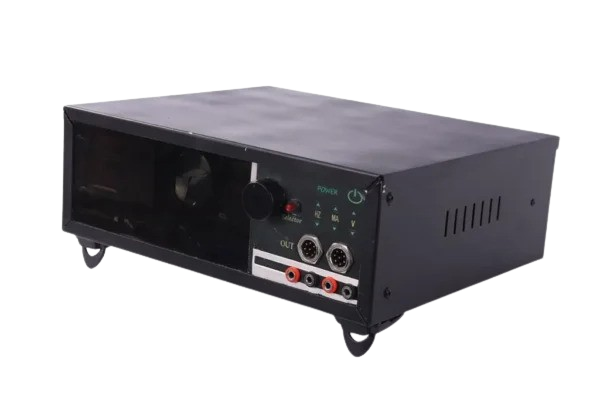
How L.R.D Works
Destroying and Erasing Viruses at Their Core
The L.R.D operates using codified energy based on a unique scientific formula derived from advanced principles of classical and quantum physics. This energy works by permanently destroying the biological structure and inner elements of viruses, offering a safe to traditional antiviral Methods.
The L.RD has demonstrated a 97.3% success rate in eliminating viruses
97.3% success rate
97.3%
Our Devices: Our devices are designed to target the root causes of diseases, utilizing advanced scientific principles to destroy viruses and promote overall well-being. By harnessing the power of innovative technology, we aim to provide patients with alternative treatment options. Our products are the result of meticulous research and development, and we continually strive to enhance and refine our offerings.
A New Era in Virus Elimination
Our Breakthrough


Our Purpose and Our Future Aspirations
Our Mission & Vision
Our Mission:
At ViruElecta, we are dedicated to creating cutting-edge technologies and devices that can aid in the treatment and potential cure of various diseases. Our team of researchers has invested years of rigorous scientific investigation to develop novel approaches that diverge from conventional chemical-based treatments. We believe that our discoveries hold the key to unlocking new avenues for healing and improving human lives.
Our Vision:
A world where health restoration is accessible and risk-free. we envision a world where viral infections can be treated quickly and safely, without relying on chemical drugs or invasive procedures.
Our Philosophy:
We invite fellow researchers and scientists to join our team, embracing a collaborative approach to accelerate medical breakthroughs. Our work is guided by a commitment to advancing human health, rather than seeking external validation or recognition. By choosing our products, individuals acknowledge their personal conviction in our scientific approach and the potential benefits it may offer.

Dr. W.M
The Inventor - Head of Engineering and Innovations, Team Leader –
Life Restoration Device (L.R.D) Project
Dr. W.M is the visionary mind behind the Life Restoration Device (L.R.D), a groundbreaking medical innovation that harnesses the power of codified energy to combat human viral infections non-invasively. With over 20 years of experience in biomedical engineering and applied physics, Dr. W.M has led a multidisciplinary team in developing one of the most promising alternatives to conventional antiviral treatments.His work has resulted in a patented, clinically tested device with a proven 97.3% success rate against viruses such as Hepatitis A, B and C, HIV/AIDS, Herpes, SARS-CoV-2 (COVID-19) & Mutations, Influenza strains, etc.

A Note of Care and Caution
For Your Awareness & Your Health
Disclaimer
The purchase of any device from our website is a personal choice, made with full awareness and acceptance of our unconventional approach. We disclaim any liability for individual decisions regarding the use of our products. Our goal is to provide the best possible solutions for a life free from diseases, and we strive tirelessly to achieve this vision.
We wishes for Your Well-being
At ViruElecta, we wish you enduring health, vitality, and happiness. Our team is dedicated to pushing the boundaries of medical innovation, and we hope that our work will contribute to a brighter, healthier future for all.
( You should consult your doctor or physician before purchasing and using any product.)